
 1 year warranty

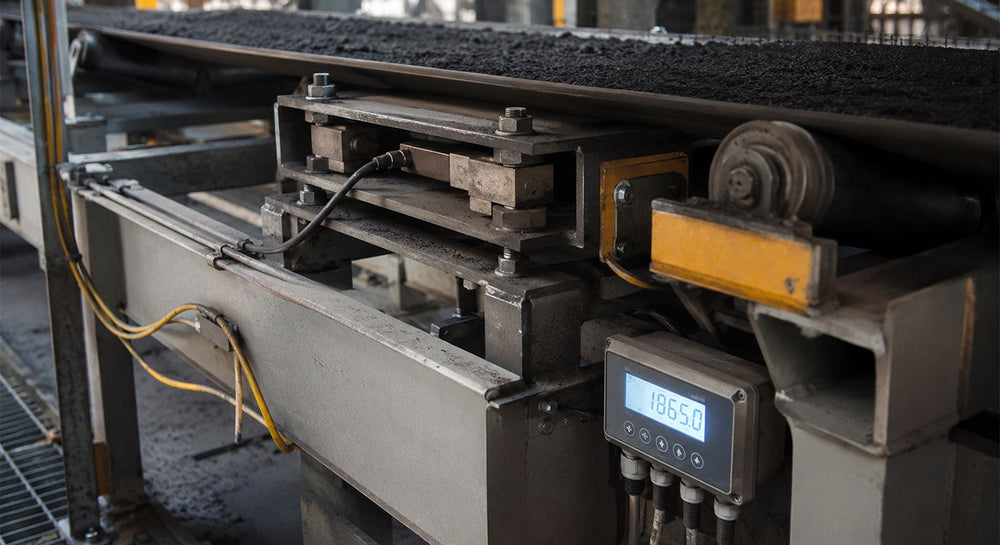
Bulk material handling and batching operations depend on accurate, continuous weighing data to keep production on spec, whether that's dosing raw materials into a batch process or tracking bulk material moving across a conveyor scale. A SIWAREX weighing module or belt scale system that starts drifting out of calibration doesn't usually announce itself with an alarm. It shows up later as a batch that's off-spec or inventory numbers that don't reconcile with what actually moved through the plant.
Siemens automation shows up across a wide range of PLC Direct's inventory, a point covered in Maximizing Your Industrial Automation with Siemens Electric and PLC Direct. SIWAREX weighing technology is part of that same ecosystem, and it's worth understanding on its own terms since it integrates directly with SIMATIC PLCs rather than functioning as a standalone system.
What Is a SIWAREX Weighing Module and How Does It Fit Into a Batching Control System?
A SIWAREX weighing module is a Siemens weighing technology component that connects load cells directly into a SIMATIC PLC's I/O structure, allowing weighing data to be processed as part of the same control logic running the rest of the process. This differs from a standalone weighing indicator, as the module feeds weight values directly into the batching control system's program rather than requiring a separate readout device.
In a batching control system, this integration matters because dosing accuracy depends on the PLC receiving weight data in real time and adjusting valve or feeder timing accordingly. A weighing module that's out of calibration or communicating incorrectly with the PLC can throw off an entire batch recipe, even when every other component in the process is functioning normally.
Why Do Belt Scale Systems Lose Accuracy Over Time?
A belt scale system measures material flow on a moving conveyor by combining a load-sensing component under the belt with a speed sensor; both components must remain properly calibrated relative to each other for the resulting throughput data to be accurate. Belt wear, tracking misalignment, and material buildup on the idlers all introduce gradual measurement errors that do not manifest as a sudden failure.
Common contributors to the belt scale system inaccuracy include:
-
Idler bearings wearing unevenly and changing the belt's contact pressure on the scale.
-
Material buildup on the belt or idlers adding uncalibrated weight to readings.
-
Speed sensor drift causing throughput calculations to skew high or low.
-
Load cell or weighing module components aging alongside the mechanical belt system.
Because these systems combine mechanical and electronic components, isolating the source of an accuracy problem often takes longer than diagnosing a straightforward hardware failure.
What Should You Confirm Before Replacing SIWAREX or Load Cell Components in a Weighing System?
Getting a replacement weighing component to integrate correctly depends on matching it to both the mechanical scale hardware and the PLC's existing configuration, not just the physical load cell footprint. A SIWAREX module that's physically compatible but configured with different scaling parameters can produce technically valid data that still doesn't match the calibration the batching control system expects.
Before ordering a replacement component for a load monitoring or weighing system, it helps to confirm:
-
If the application uses a SIWAREX weighing module or a separate load cell and conditioner setup
-
Whether the communication interface between the weighing component and the PLC is PROFIBUS, PROFINET, or another protocol
-
If the scaling parameters and calibration data on the existing system are documented and accessible
-
Whether the component is part of a static weighing station or a dynamic belt scale system
Skipping this step is a common reason a replacement part installs correctly but still requires a full recalibration cycle before the batching or monitoring system trusts its readings again.
How Do Load Cells Integrate With SIWAREX and Siemens Automation Platforms?
Load cells serve as the sensing element beneath a SIWAREX weighing module or a belt scale system, converting mechanical force into an electrical signal that the module then processes and passes to the PLC. Siemens SITRANS process instrumentation often appears alongside SIWAREX in the same control cabinet, since both are part of the broader instrumentation layer supporting process and material handling applications built on SIMATIC and SINAMICS hardware.
Facilities running Siemens-based batching and material handling systems typically need to source across this instrumentation layer as a group, since a load cell, a weighing module, and the PLC I/O it connects to all need to stay compatible with one another after any single component is replaced.
What Condition Grade Makes Sense for Weighing System Components?
A load cell on a low-priority bulk transfer point tolerates more risk than a SIWAREX module feeding a batch recipe, where a failure means halting the batch to replace it. PLC Direct classifies its weighing hardware into condition grades to reflect that: Sealed Surplus, Never Used Surplus, and Used/Refurbished.
Sealed Surplus stock stays in its original factory packaging, even if the batch itself is from an earlier production run. Never Used Surplus components have never gone into service, but the factory seal isn't guaranteed to still be intact. Used/Refurbished units go through inspection and testing before they're cleared for resale.
All three condition grades carry the same coverage: a standard 1-year PLC Direct warranty covering defects and functionality, applicable to Sealed Surplus, Never Used Surplus, and Used/Refurbished products. This warranty is issued by PLC Direct, an independent supplier, and is not an OEM or manufacturer warranty.
A drifting belt scale or a SIWAREX module that's fallen out of calibration doesn't have to mean rebuilding an entire batching line. Get in touch with PLC Direct with the details of the weighing system you're supporting to check availability and get a quote, subject to inventory.
