
 1 year warranty

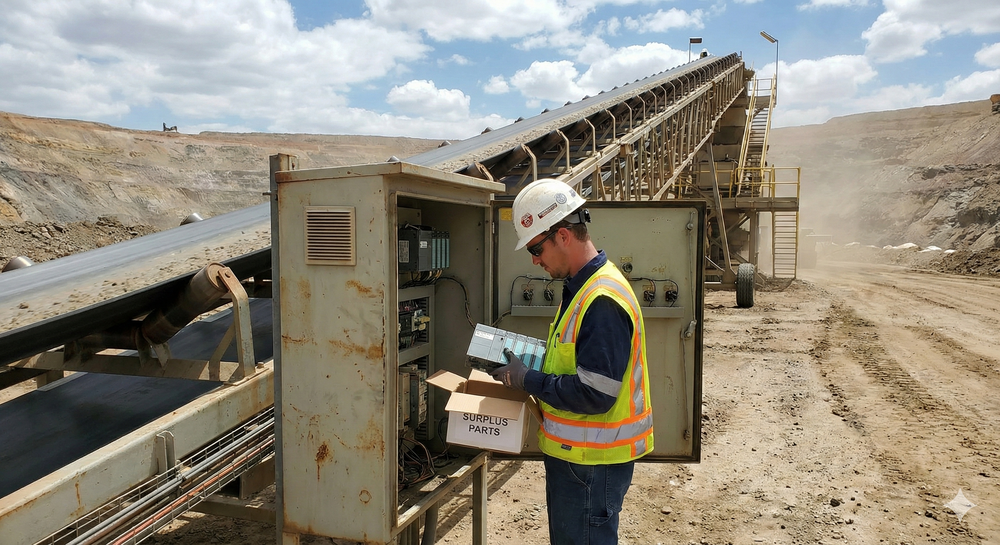
The mining industry faces a critical challenge that threatens operational continuity: aging automation infrastructure. Today's legacy automation systems lack flexibility; changes require extensive reprogramming and reconfiguration, lengthy downtimes in some cases, and higher costs. Aging infrastructures and a retiring workforce compound these challenges. As original equipment manufacturers discontinue legacy product lines and phase out technical support, mines must find strategic alternatives to keep their operations running efficiently.
Surplus PLC parts have emerged as a strategic solution for mining operations grappling with obsolete equipment challenges. These components, surplus sealed, refurbished, and tested used parts, provide essential continuity for legacy automation systems while mines plan for comprehensive system upgrades.
The Scale of Equipment Obsolescence in Mining
Mining operations face unique challenges when dealing with obsolete automation equipment. Legacy systems become problematic due to their limited data transfer capacity, which affects reliability particularly in the ever-changing topology found in open-pit mining operations. This obsolescence creates significant operational vulnerabilities for mining companies.
Interoperability presents one of the biggest challenges for modern mining operations. Legacy systems lack the capacity for interaction and cooperation with newer technologies, which can cause system stoppages and downtime when critical components fail.
Legacy automation systems present several critical vulnerabilities:
- Limited Technical Support: Many obsolete PLC systems no longer receive manufacturer support, making troubleshooting and system modifications increasingly difficult. Older systems may leave operations dependent on third-party support for ongoing maintenance needs.
- Parts Scarcity: Replacement parts can become difficult to source as original manufacturers phase out product lines. Components may need to be found through secondary markets, which can affect costs and availability timelines.
- Integration Challenges: Today's legacy automation systems lack flexibility; changes require extensive reprogramming and reconfiguration, lengthy downtimes in some cases, and higher costs. This inflexibility can limit mines' ability to implement modern efficiency improvements.
Strategic Value of Surplus PLC Parts
Surplus PLC parts offer mining operations a strategic bridge solution that addresses immediate operational needs while supporting long-term planning. These obsolete PLC parts provide several key advantages for mines dealing with obsolete equipment:
Immediate Availability
Compared to new replacement systems that require extensive planning and installation time, surplus parts can offer improved availability for restoration of failed equipment. When critical automation components require replacement, mines may be able to source tested surplus parts to support operations while planning longer-term solutions.
Cost-Effective Continuity
The costs associated with unplanned downtime make surplus parts an economically attractive alternative to extended shutdowns. The investment in surplus components may represent a more manageable cost compared to emergency system replacements or prolonged production disruptions.
Proven Compatibility
Surplus PLC parts maintain compatibility with existing automation architectures, potentially reducing the integration challenges associated with modern system retrofits. This compatibility may enable mines to maintain their current operational procedures while addressing immediate equipment needs.
Critical Applications in Mining Operations
Mining operations rely on automation systems for numerous critical functions where obsolete PLC failures can have immediate operational impact:
- Conveyor Control Systems: Belt conveyors represent the backbone of material handling in most mining operations. Obsolete PLC components controlling conveyor systems can halt entire production lines when they fail.
- Ventilation Management: Underground operations depend on automated ventilation control systems for worker safety and environmental compliance. Failed ventilation controllers pose immediate safety risks and regulatory concerns.
- Crusher and Processing Equipment: Primary crushers and processing equipment often rely on decades-old automation systems. Controller failures can shut down entire processing circuits.
- Water Management Systems: Mine dewatering and water treatment systems frequently utilize older automation platforms. System failures create environmental compliance issues and operational disruptions.
Strategic Implementation Considerations
Successfully leveraging surplus PLC parts requires strategic planning and careful implementation:
Inventory Assessment
Mining operations should conduct comprehensive assessments of their current automation infrastructure to identify systems approaching obsolescence. This assessment should prioritize critical systems where issues would cause significant production impact.
Strategic Stockpiling
Conducting risk assessments to identify critical components and potential failure points helps prioritize inventory management efforts. Mines should consider maintaining strategic inventories of surplus parts for their most critical obsolete systems.
Supplier Qualification
Working with reputable suppliers who provide tested, warranted surplus components helps ensure reliability and reduces the risk of secondary issues. Quality surplus parts suppliers typically offer comprehensive testing and warranty coverage for their components.
Documentation and Programming Backup
Maintaining comprehensive backup documentation and programming for obsolete systems becomes critical when working with surplus components. This documentation enables system restoration when components are replaced.
Integration with Modern Asset Management
Surplus PLC parts work most effectively when integrated into comprehensive asset management strategies:
- Predictive Maintenance Programs: More than 60% of a mine's workforce may be involved in equipment maintenance and repairs. Implementing predictive maintenance programs helps identify when obsolete components may be approaching failure, enabling proactive replacement with surplus parts.
- Lifecycle Planning: Surplus components provide operational continuity while mines develop comprehensive modernization plans. This approach allows for strategic timing of system upgrades rather than emergency replacements.
- Cost Optimization: The ultimate goal is having the right parts, at the right price, in the right place, at just the right time. Surplus parts enable cost-effective maintenance of obsolete systems while capital is allocated to higher-priority modernization projects.
Quality and Reliability Considerations
The effectiveness of obsolete PLC parts as a strategic solution depends heavily on component quality and supplier reliability:
- Testing and Certification: Reputable surplus parts suppliers conduct comprehensive testing to help ensure components meet original equipment specifications. This testing typically includes functional verification, calibration checks, and stress testing.
- Warranty Coverage: Quality surplus parts often include warranty coverage that provides protection against premature failure. This warranty coverage demonstrates supplier confidence in component reliability.
- Traceability: Documented component history and traceability help ensure that surplus parts meet quality standards and regulatory requirements. This documentation becomes particularly important for safety-critical applications.
Long-Term Strategic Planning
While surplus PLC parts provide essential short-term solutions, mining operations must balance immediate needs with long-term strategic objectives:
- Migration Planning: Surplus components can provide time for comprehensive system migration planning. This extended timeline enables mines to research modern alternatives, plan implementation schedules, and budget appropriately for system upgrades.
- Technology Assessment: The operational continuity provided by surplus parts allows mines to evaluate emerging technologies and select modern systems that align with operational requirements and strategic objectives.
- Risk Mitigation: Legacy PLCs can be challenging to maintain and support, potentially leading to higher maintenance costs and reliability concerns. Surplus parts provide interim risk mitigation while comprehensive modernization plans are developed and implemented.
Industry Best Practices
Mining operations implementing surplus PLC parts strategies should adopt several best practices:
- Comprehensive Documentation: Maintain detailed records of all surplus components, including installation dates, performance history, and maintenance schedules.
- Supplier Relationships: Develop relationships with multiple qualified surplus parts suppliers to ensure availability and competitive pricing.
- Technical Expertise: Ensure maintenance teams have the necessary expertise to work with both obsolete systems and surplus components effectively.
- Regulatory Compliance: Verify that surplus components meet all applicable safety and environmental regulatory requirements.
In Conclusion
Obsolete equipment represents a significant operational challenge for mining operations, but surplus PLC parts provide a strategic solution that balances immediate operational needs with long-term planning objectives. These components offer improved availability, cost-effective continuity, and proven compatibility that enable mines to maintain operations while developing comprehensive modernization strategies.
The key to success lies in strategic implementation that considers component quality, supplier reliability, and integration with broader asset management programs. Mining operations that effectively leverage surplus PLC parts can maintain operational continuity, manage costs, and transition to modern automation systems on their preferred timeline rather than being forced into emergency replacements.
As the mining industry continues to face pressure from aging infrastructure and discontinued product lines, surplus PLC parts will remain a critical strategic tool for operational continuity. Operations that invest in quality surplus components and strategic planning position themselves to maintain competitive advantage while navigating the challenges of equipment obsolescence.
For mining operations seeking reliable surplus PLC parts and automation components, PLC Direct offers comprehensive inventory of surplus sealed, refurbished, and tested used parts with one-year warranties. Our technical expertise and industry focus ensure mining operations receive quality components that support operational continuity.
