
 1 year warranty

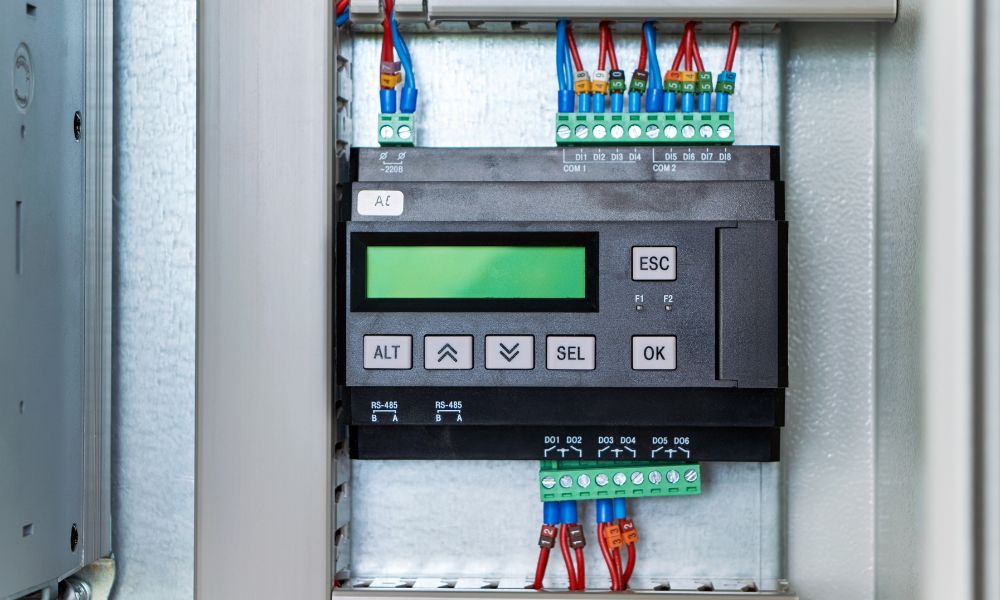
Industrial automation is advancing rapidly, and the gap between facilities running current-generation control architectures and those still on legacy systems is widening. For maintenance engineers and procurement teams responsible for keeping production running, understanding modern PLC and machine control trends is not just useful; it directly affects sourcing decisions, upgrade timelines, and long-term equipment strategy. These are the PLC trends shaping how automation hardware is being specified, maintained, and replaced across manufacturing, processing, and industrial operations.
Does Edge Computing Change How PLC Data Is Processed?
Edge computing moves processing power closer to the machine, running algorithms directly on the controller or local hardware rather than routing data to a remote server. For PLC-based systems, this means faster response times and real-time analysis without dependence on network connectivity. Machine learning PLC applications built on edge architecture can detect developing faults, flag performance degradation, and trigger responses before a failure occurs, reducing unplanned downtime in environments where every hour of lost production carries a cost.
For maintenance teams, this shift also changes what to look for when evaluating replacement or upgraded control hardware: edge-capable PLCs and associated I/O infrastructure are increasingly part of the specification conversation.
How Is IoT and Sensor Technology Affecting Industrial Machine Control?
The Internet of Things connects PLCs, drives, sensors, and I/O modules into a shared data environment, enabling continuous monitoring of machine performance. Sensor data feeds into control systems in real time, enabling condition-based maintenance rather than fixed maintenance schedules. Anomalies in motor current, vibration, temperature, or flow rates can be caught earlier when instrumentation is integrated with the control layer.
For facilities managing aging equipment, retrofitting existing systems with current-generation sensors and I/O hardware is often more cost-effective than a full platform replacement and extends the useful life of installed automation infrastructure.
What Are Open Platforms and APIs in New PLC Technology?
Open platforms and APIs represent one of the more significant shifts in new PLC technology. Rather than locking automation systems into a single vendor's ecosystem, open architectures enable hardware and software components from different manufacturers to communicate via standardized interfaces. This gives engineering and procurement teams more flexibility to source compatible components, including drives, HMIs, and I/O systems, without being constrained by proprietary integration requirements.
For large-scale operations, this interoperability also simplifies parts sourcing when components need to be replaced mid-lifecycle, since compatible alternatives are more readily available across the independent supply market.
Why Is Cybersecurity a Growing Concern for PLC Systems?
As PLC and machine control systems become more connected to plant networks, enterprise systems, and external interfaces, the attack surface for industrial cyber threats expands. Vulnerabilities in connected control hardware can affect production continuity, safety systems, and process integrity. Cybersecurity measures relevant to PLC environments include network segmentation, firmware integrity verification, encrypted communications, and industrial network-level intrusion detection.
When evaluating replacement hardware or sourcing components for connected systems, specifying hardware that supports current security protocols is increasingly required.
How Is HMI Technology Evolving Alongside Modern PLC Systems?
Human-machine interface hardware continues to evolve in parallel with the control platforms it connects to. Modern HMIs offer higher-resolution displays, touch interfaces, remote access capability, and tighter integration with SCADA and PLC data layers. For plant operations teams, this translates to faster fault diagnosis, clearer process visibility, and more efficient operator response to equipment events.
As control systems are upgraded or HMIs reach end-of-life, sourcing compatible replacement panels, including surplus sealed or refurbished units from the same product family, allows facilities to maintain interface continuity without committing to a full platform migration.
Conclusion
Keeping pace with automation technology means understanding both what's current and what's available to maintain the systems already running in your facility. PLC Direct supplies surplus sealed, refurbished, and used industrial automation hardware, including PLCs, HMIs, drives, and I/O modules, from the brands already installed across your operation. Contact PLC Direct to check availability of the components you need.
