
 1 year warranty

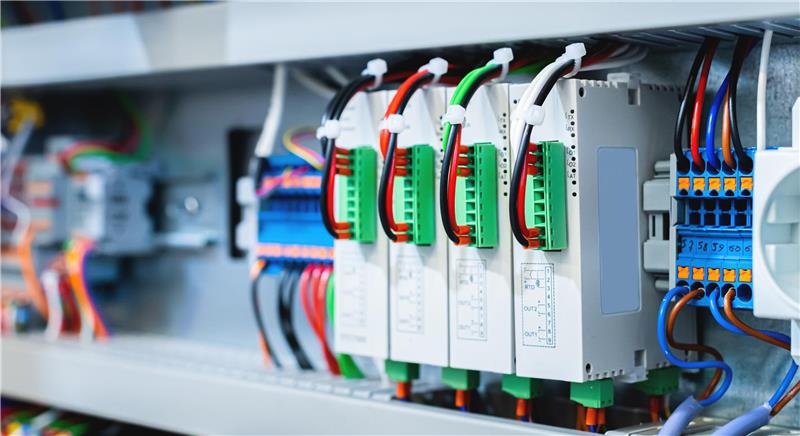
Mining operations often span large geographic areas, include underground and surface assets, and operate continuously. In these environments, structured visibility into equipment status supports operational coordination and safety compliance.
A properly specified human machine interface (HMI) system enables operators to access data from conveyors, crushers, ventilation systems, dewatering pumps, and processing equipment across the system. As automation in mining industry environments expands, HMI hardware remains a primary interface between operators and industrial control systems.
The Function of Human Machine Interface Systems in Mining
A human machine interface is the hardware display and input device that allows operators to monitor and interact with industrial control systems.
In mining applications, HMI systems are typically connected to:
- PLC platforms controlling material handling and processing
- Variable frequency drives regulating motor speed
- Remote I/O modules gathering field data
- Industrial sensors measuring pressure, flow, vibration, or gas levels.
- Safety systems and interlock circuits
- Industrial networking infrastructure
The HMI displays process variables, alarm conditions, equipment states, and diagnostic information. For centralized control rooms, it provides consolidated visibility across multiple distributed assets.
Environmental Considerations in Mining Applications
Mining environments present operating conditions that directly influence hardware selection.
Common environmental factors include:
- Dust and particulate exposure
- Vibration from heavy machinery
- Temperature variation
- Moisture exposure in underground areas
- Continuous duty cycles
For these reasons, mining operations typically deploy industrial touchscreen displays designed for harsh industrial settings. These displays are manufactured with enclosure protection ratings and mounting systems intended for industrial installation.
Hardware selection should be based strictly on manufacturer-documented specifications, including enclosure ratings, operating temperature ranges, display characteristics, communication interfaces, and power requirements. Verification against official manufacturer documentation is essential before deployment.
Remote Monitoring and Operator Visibility
Remote mine monitoring requires consistent, real-time access to operational data. HMI systems support this requirement by presenting:
- Equipment operating status
- Alarm conditions and fault codes
- Production metrics
- System diagnostics
- Safety-related signals
A clear visual representation of process values and alarm states allows operators to review system conditions from centralized locations. In geographically distributed sites, this supports coordinated oversight of equipment across multiple operational areas.
Logged diagnostic and alarm data may also support maintenance planning and documentation requirements.
Integration with Mining Automation Infrastructure
Automation in mining industry operations typically involves interconnected subsystems. HMI hardware must be compatible with:
- Established PLC communication protocols
- Drive control networks
- Remote I/O architectures
- Ethernet-based industrial networks
- Legacy serial communication systems
Compatibility assessment includes verifying supported communication standards, aligning firmware, and confirming mounting dimensions. In operations where legacy PLC systems remain active, sourcing compatible HMI models becomes necessary when OEM production has been discontinued.
Lifecycle alignment is therefore a practical procurement consideration.
Lifecycle Challenges in Mining Operations
Mining equipment is frequently operated for extended service periods. Control systems installed many years ago may still be operational and integrated into current production workflows.
When an HMI model reaches end-of-production status, replacement challenges can include:
- Limited availability through authorized distribution
- Extended manufacturer lead times
- Panel cutout differences requiring redesign
- Firmware incompatibility with existing PLC programs
Maintenance teams often require exact model replacements to maintain system continuity. Access to surplus sealed, refurbished, or used components may help maintain system continuity after original production has ended.
All replacement components should be matched by model number and specification to ensure compatibility.
Procurement Considerations for Industrial Touchscreen Displays
When evaluating industrial touchscreen displays for remote mine monitoring, procurement teams typically assess:
- Enclosure protection rating
- Mounting configuration and panel cutout dimensions
- Supported communication protocols
- Power supply requirements
- Display size and resolution
- Product lifecycle status
- Availability of replacement units
In mining operations, hardware reliability is a consideration in maintaining production continuity. Clear documentation, accurate model identification, and verified technical specifications support structured replacement or system expansion processes.
Supporting Mining Operations with Hardware-Focused Sourcing
Mining automation environments typically include PLCs, VFDs, motors, sensors, safety systems, and networking hardware operating within coordinated control architectures. The HMI layer provides structured visibility into these systems.
An independent supplier specializing in surplus sealed, refurbished, and used industrial automation components can assist procurement and maintenance teams when sourcing:
- Discontinued HMI models
- Legacy-compatible touchscreen displays
- Replacement I/O modules
- Drives and motor control hardware
- Communication modules
All components should be verified against the exact manufacturer's model number and specifications before installation.
Conclusion
HMI systems are a core component of remote mine monitoring infrastructure. As automation in the mining industry expands, maintaining reliable operator visibility remains an operational consideration in remote monitoring systems.
Careful specification review, lifecycle planning, and accurate hardware sourcing help mining organizations sustain control system performance across both modern and legacy installations.
If your team is sourcing replacement or legacy-compatible human machine interface hardware, industrial touchscreen displays, or related automation components, verify model numbers and specifications against your existing system requirements before procurement.
PLC Direct supplies surplus sealed, refurbished, and used industrial automation hardware across the full automation ecosystem, including HMIs, PLCs, VFDs, drives, motors, I/O modules, sensors, safety systems, and networking equipment. All products are backed by a 1-year warranty.
